Good nutrition plays a central role in healthy aging. For seniors living independently, eating well supports energy levels, mobility, immune function and cognitive health. Small, consistent habits often matter more than strict diets, especially when appetite, digestion or cooking ability changes with age.
This tip guide offers valuable insights into providing proper nutrition, well balanced meals, food preparation and hydration for seniors:
1.) Prioritize Protein: As people age muscle loss occurs which can ultimately reduce their balance, strength and equilibrium. This process can be slowed through adequate protein consumption. Good protein meal options include: eggs, fish, chicken, greek yogurt, cottage cheese, beans, lentils and tofu. Stronger muscles can also help reduce fall risk.
Pro Tip: For seniors with a reduced appetite, even additions of protein such as adding milk powder to soups or yoghurt to snacks can help with obtaining proper protein consumption.
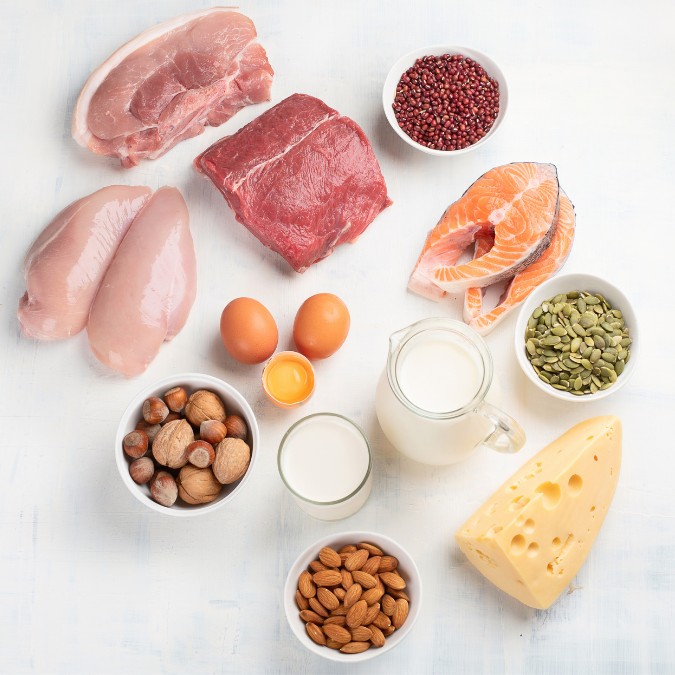

2.) Support Bone Health: Bone density naturally decreases with age. Include calcium-rich foods such as milk, yogurt, cheese, and leafy green vegetables throughout the day, as the body absorbs moderate amounts of calcium more effectively than very large doses consumed all at once.
3.) Stay Hydrated: Thirst signals can diminish with age, putting seniors at a greater risk of dehydration. To help prevent fatigue, dizziness, and confusion, encourage the client to drink water regularly throughout the day, even if they do not feel thirsty. Including soups, herbal teas and water-rich fruits in their diet can also support hydration. Keeping a water bottle visible and easily accessible can serve as a helpful reminder for them to drink fluids regularly.


4.) Food Routines: When living at home, food safety and convenience are important for seniors because they help reduce the risk of food borne illness, support proper nutrition and make it easier to prepare and enjoy meals independently. Key steps include checking expiration dates regularly, storing leftovers promptly in the refrigerator and keeping frequently used foods within easy reach.
5.) Simple Meal Preparation: Providing meals that are easy to prepare and enjoyable to eat can help reduce a client’s anxiety around mealtimes. Helpful strategies include preparing larger portions, freezing leftovers for future meals, using pre-cut vegetables or frozen produce to save time and effort. As well as keeping simple meal options on hand, such as soups, omelettes and grain bowls. These approaches can make healthy eating more manageable, convenient and less stressful for seniors living at home.
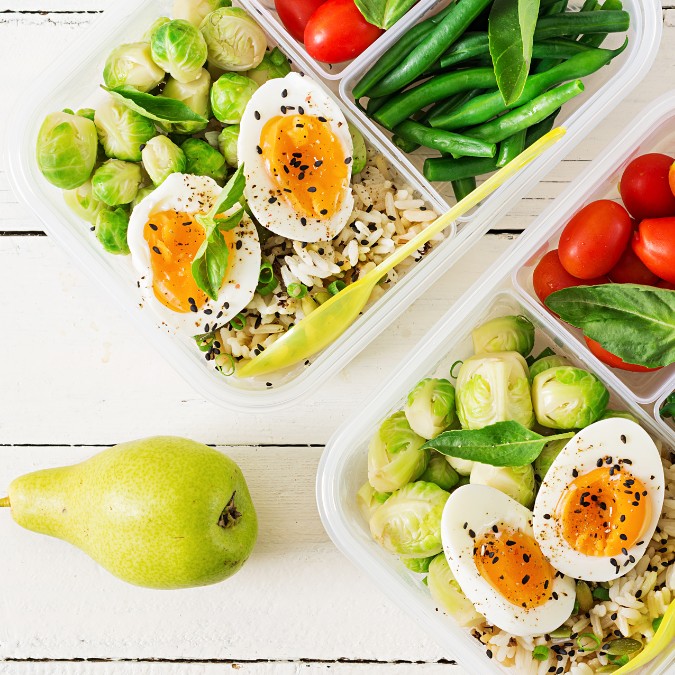
Good nutrition plays a vital role in helping seniors maintain their health, independence and overall quality of life. By focusing on key areas such as protein intake, bone health, hydration, food safety and easy meal preparation, older adults can establish healthy, sustainable habits that supports their strength, energy and long-term health.