As we age, staying active can become more challenging, but regular physical activity remains an important part of maintaining health and independence. Incorporating exercise into a daily routine can support longevity, improve strength, enhance balance and flexibility. With a few simple habits and when needed, the support of a caregiver or loved one can help seniors stay active, safely and confidently.
Why Staying Active Matters:
Regular movement offers benefits that can go far beyond physical fitness. Exercising, active living and body movement can help improve the following:
- Balance and reduce the risk of falls.
- Strengthen muscles and bones.
- Increase energy levels.
- Support good heart health.
- Ease joint stiffness and improve flexibility.
- Boosts mood and reduces feelings of stress or loneliness.
- Helps maintain independence in daily activities.
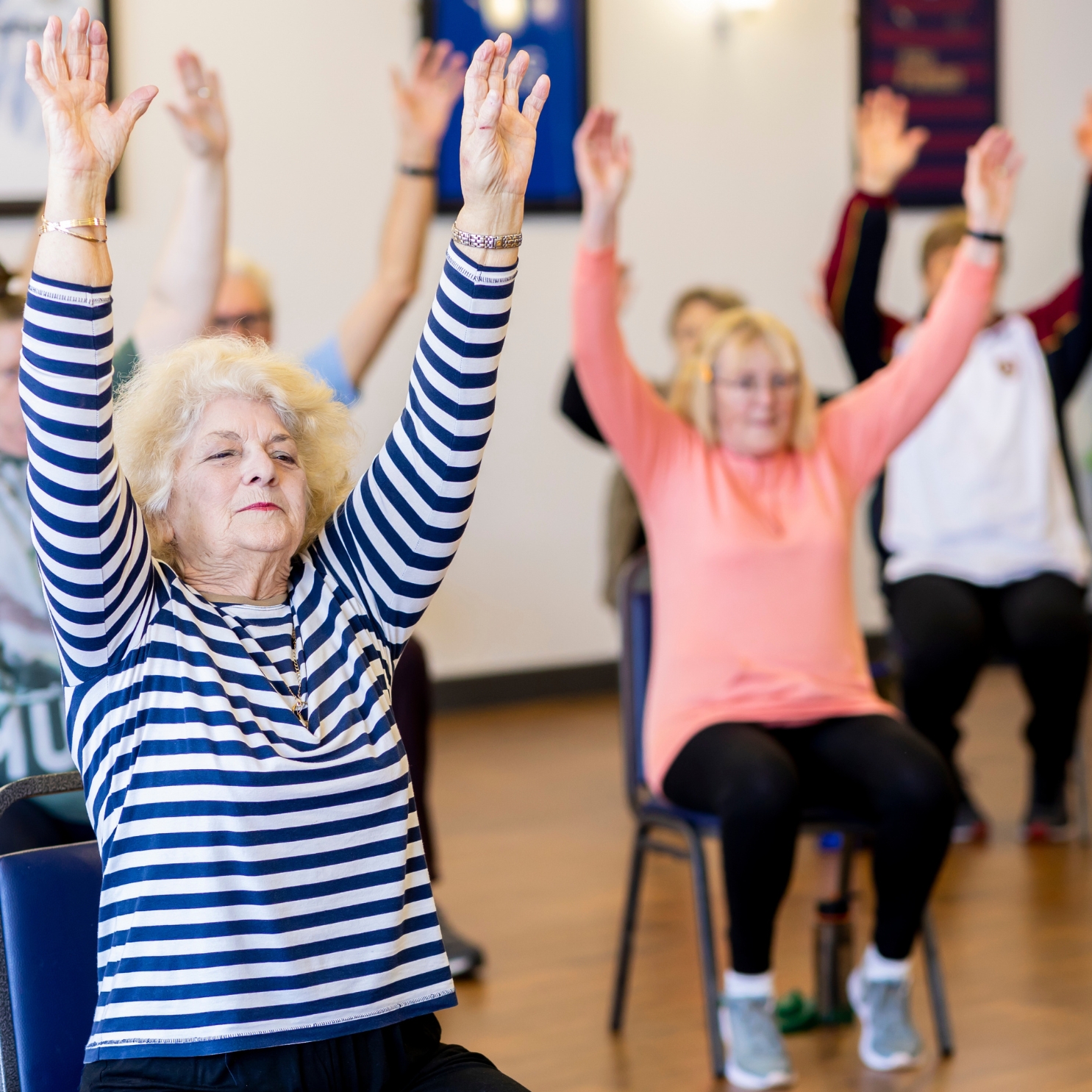
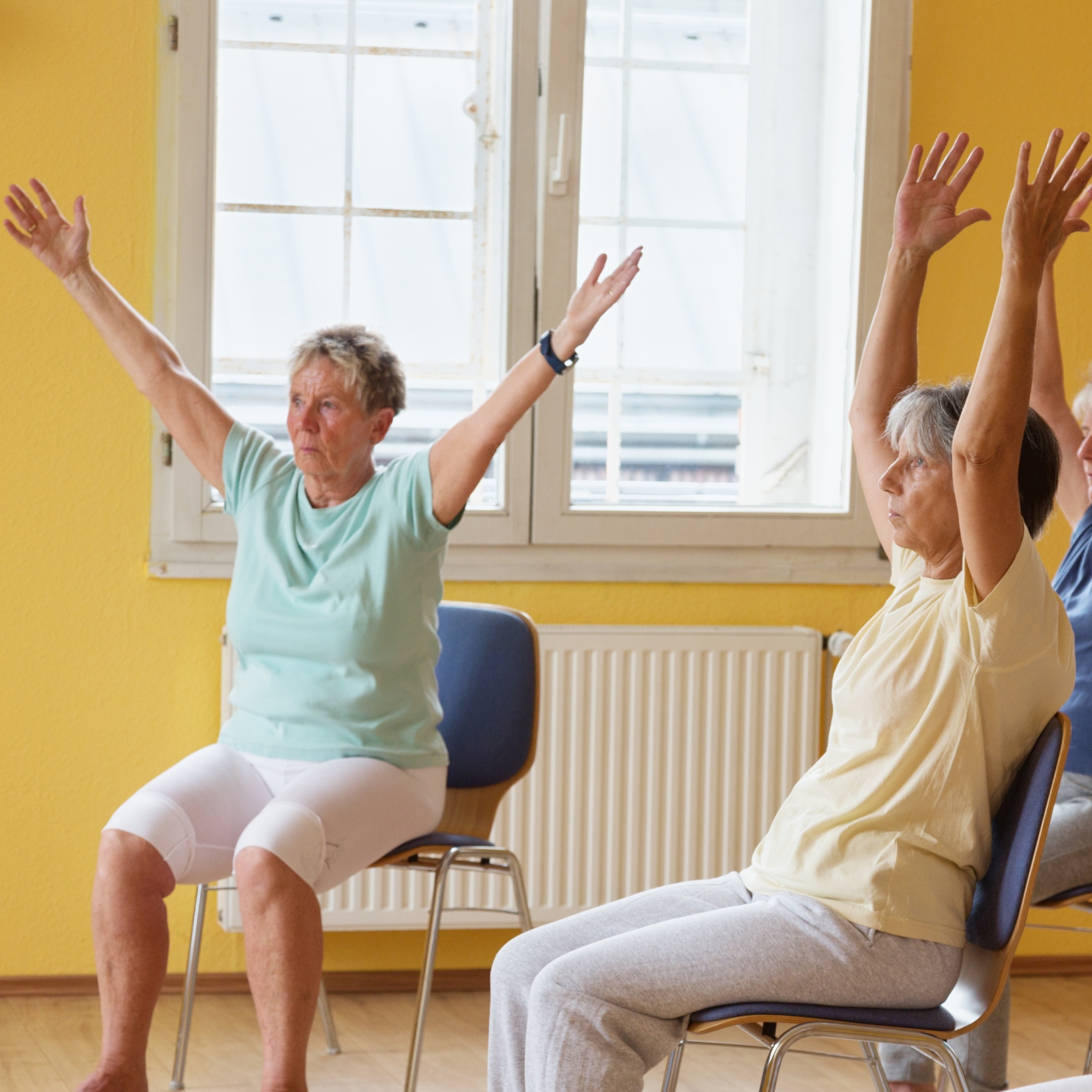
Start With Gentle Stretching:
Stretching is an excellent way for seniors to start the day, helping to gently wake up muscles, improve mobility and increase blood flow while preparing the body and mind for the activities ahead. Gentle stretching helps relieve muscle stiffness, improve flexibility, enhance balance and posture. As well as promotes healthy circulation, leaving seniors feeling more energized and ready to move throughout the day.
Try These Simple Stretch Exercises:
- Neck Rolls
- Shoulder Circles
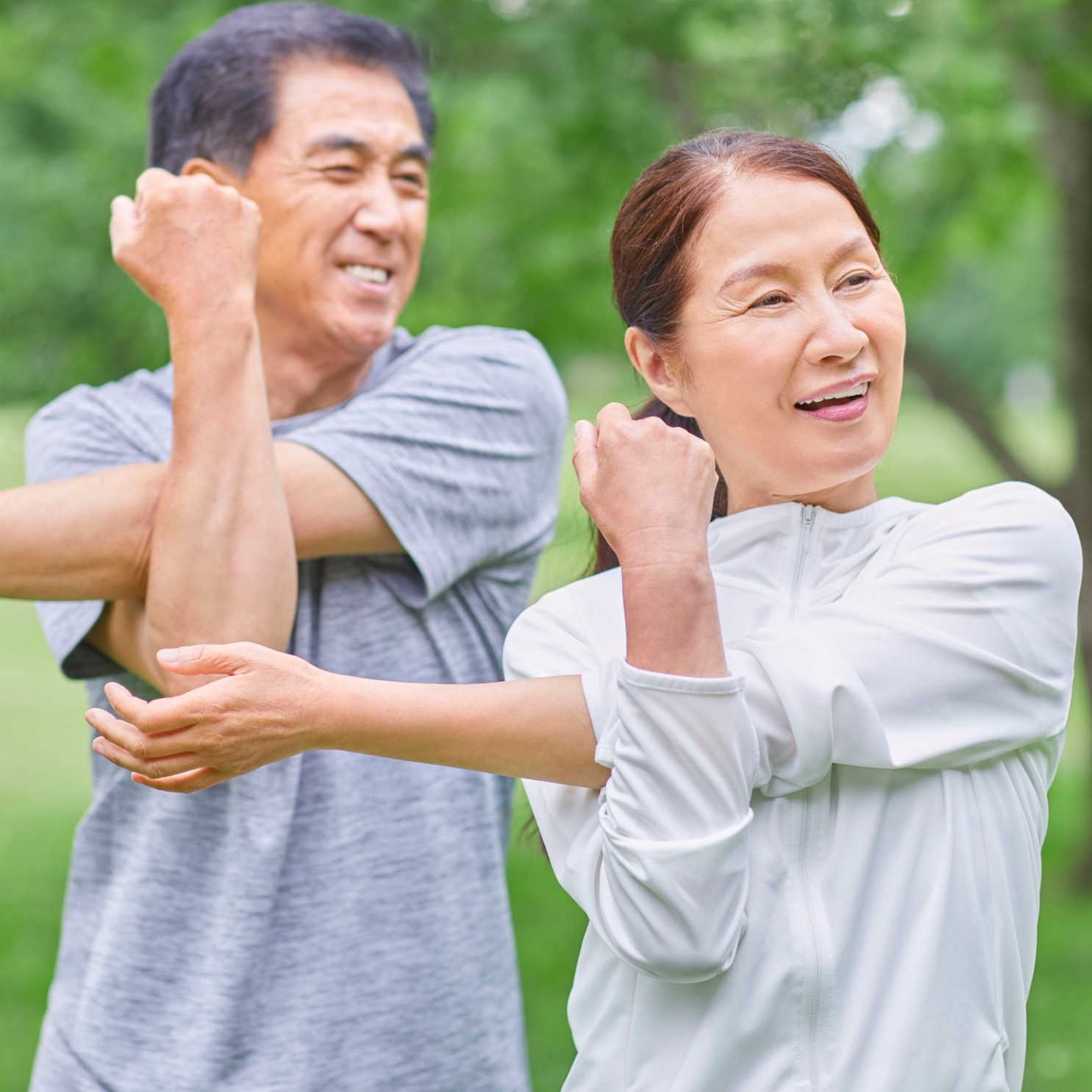
- Arm Reaches (Standing)
- Ankle Rotations
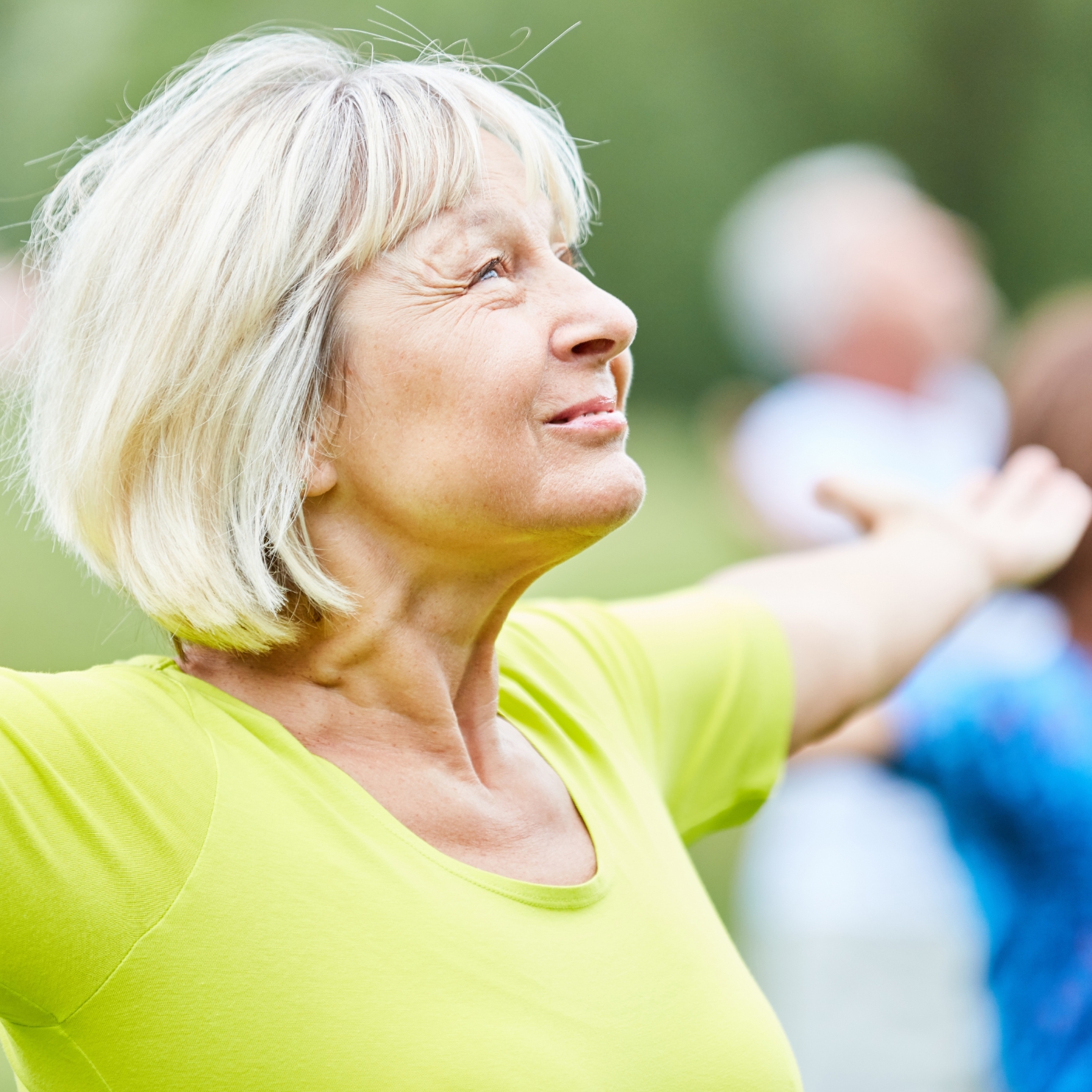
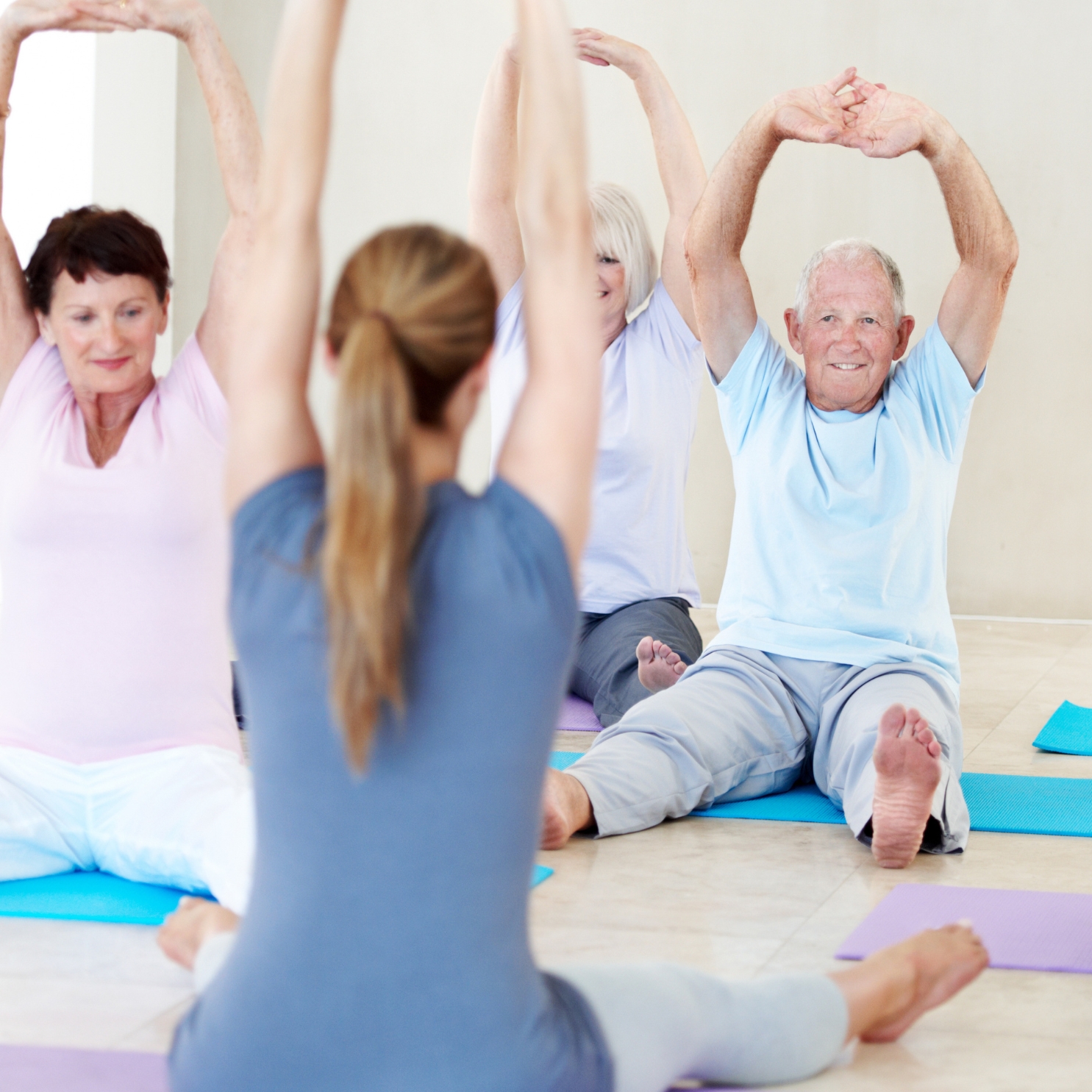
1.) Neck Rolls:
- Stand or sit upright with your shoulders relaxed.
- Lower your chin slowly towards your chest.
- Gently roll your head toward your right shoulder, keeping the movement slow and controlled.
- Return your chin to your chest.
- Repeat the movement towards your left shoulder.
- Continue alternating sides for 5–10 repetitions.
2.) Shoulder Circles:
- Stand or sit upright with your feet shoulder-width apart (if standing).
- Relax your arms at your sides.
- Lift your shoulders toward your ears, then roll them backwards, downwards and forwards in a smooth circular motion.
- Continue making slow and controlled circles for 10–15 repetitions.
- Reverse the direction, rolling your shoulders forwards, upwards, backwards and downwards for another 10–15 repetitions.
3.) Arm Reaches (Standing):
- Stand with your feet shoulder-width apart.
- Keep your back straight, shoulders relaxed and engage your core muscles.
- Raise both arms straight out in front of you until they are at shoulder height.
- Slowly reach one arm forward as if you’re trying to touch something just beyond your fingertips. Allow your shoulder blade to move forward naturally, but don’t lean your body.
- Return that arm to the starting position.
- Repeat the reach with the other arm.
- Continue alternating arms in a slow, controlled motion.
- Breathe normally throughout the exercise, exhale as you reach and inhale as you return.
- Complete 10–15 reaches per arm.
4.) Ankle Rotations
- Sit comfortably and lift one foot off the floor.
- Rotate your ankle in a slow circle 10–15 times clockwise.
- Rotate 10–15 times counterclockwise.
- Repeat with the other ankle.
- Perform 1–3 sets if needed.
Take A Walk Around The House:
Walking remains one of the easiest and most effective forms of exercise. If outdoor walks aren’t possible, walking indoors can still provide excellent health and wellness benefits for seniors.
Staying active doesn’t have to involve strenuous workouts or leaving the house. Remember to listen to your body, move at a comfortable pace and consult your healthcare provider before starting any new exercise routine. With regular activity and the support of family or caregivers when needed, seniors can continue to enjoy a healthier, more active and independent lifestyle.